

Image: topreviewviet.com
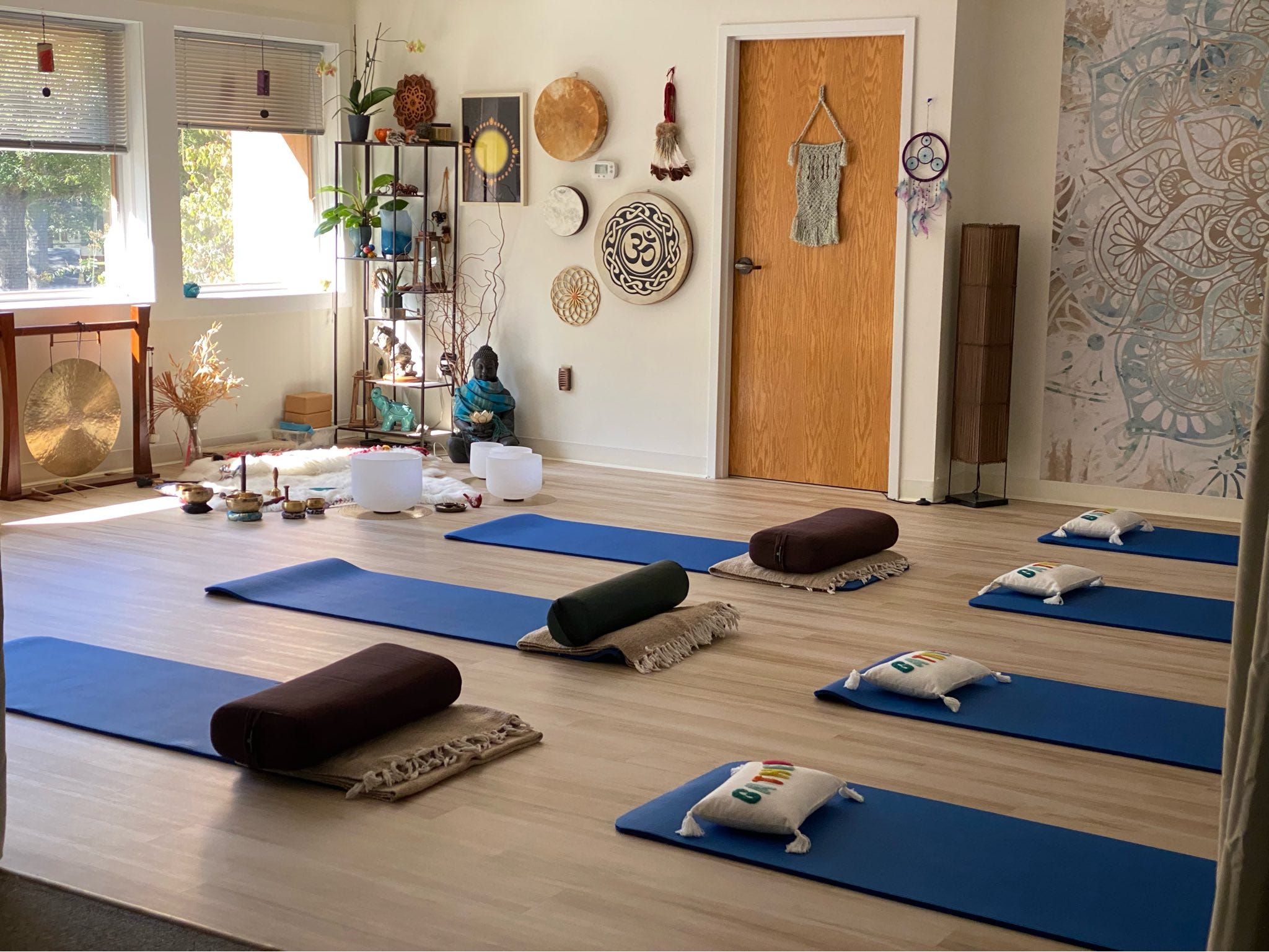
Last week I had the unusual experience of teaching an experimental workshop at a yoga studio in Connecticut. We gathered intimately, in a circle on the floor, and delved into some deep ideas together. At one point I asked everyone to pair off and talk through what the presentation had been reaching toward — and I found myself sitting with a lovely older woman, sharp and spiritual, the kind of person who has plainly spent a life paying attention.
In the course of our conversation, she told me that she had wanted to learn Kabbalah as a child. When she brought this to her Hebrew school teacher, she was told it was only for men over forty. It was then and there that she decided this tradition was not for her. She went looking elsewhere, found an Eastern path, and has been walking it ever since.
My first reaction was to shake my head at the kind of pedagogy that would rebuff a genuinely open and curious child. At a time when millions of our co-religionists have a tepid or even antagonistic relationship with their faith, it seems ill-advised at best to turn away any step someone takes toward it.
It’s true that guardrails were placed around the more mind-bending aspects of Kabbalistic thought, and true as well that without preparation the most esoteric works could lead a person into deep confusion or worse. But this is not so different from the prerequisites on any 201-level course. We require grounding before the advanced material — and yet no one suggests you can’t study any physics, or math, or psychology until the whole sequence is behind you.
There is a whole world of delight and meaning in the foundational forms of a discipline — forms that are accessible without being shallow. Why offer a seeker everything or nothing, and, finding her not ready for everything, hand her nothing at all?
The truth is that the tradition refused that binary four centuries ago. There are many classical works, Kabbalistically infused, that stand wide open to the curious seeker. A case in point is Reshit Chochmah, written in sixteenth-century Safed by Rabbi Eliyahu de Vidas, a primary student of the kabbalist Rabbi Moshe Cordovero. De Vidas quotes liberally from the Zohar and other mystical works, but he builds his book as a series of gates — Fear, Love, Holiness, Humility — and in each one draws the inner teachings down into practical, ethical life. The esoteric becomes a way of carrying yourself in the world.
The five-volume Shnei Luchot HaBrit, by Rabbi Isaiah HaLevi Horowitz (c. 1565–1630), does something similar. It doesn’t traffic in the raw, unfiltered complexity of a master like the Arizal; instead it takes the core of those teachings and clothes them in a far more digestible form — woven together with Jewish law, deep contemplation across hundreds of themes, and the ethical dimension throughout. It’s a stunning package, one that can be opened, with a little time and care, to nearly anyone.
So what does this mean for the great many Jewish people who have little or no exposure to these transcendent ideas, but who are nonetheless drawn toward spirituality? We need to make a more overt effort to nourish the souls of the seekers with something substantive and profound. Gender and age are beside the point when it comes to the open but guarded path afforded by the thinkers above — and much of the Chasidic approach besides. There really is something for everyone.
I wish the woman I met at the yoga studio had known these possibilities were hers. At one time in history, Kabbalah was for the elite, closely guarded in small but diligent groups working silently through the long night of exile. In certain quarters they are still at it. But the door was thrown open long ago — and we, too, have a place at the table, waiting for us.
